
Minority stress (Reading)
Stress is a normal occurrence for everyone, whether it’s from a major event (e.g. death of a close person) or just our daily lives (e.g. traffic jam). Generally, stress can be defined as a state of disrupted psycho-physical balance that the individual is experiencing because of a form of threat (physical, psychological, or social) to themselves or a loved one (Havelka, 1998). In addition to the general stressful situations that all people are expose to, LGBTQI+ persons also face everyday stigma, prejudice, and discrimination, which creates a chronic stressful environment. According to Meyer (2003) LGBTQI+ persons experience minority stress, which is defined as chronic level of stress caused by prejudice, discrimination, lack of social support, and other factors that minority individuals experience. The inferior status of LGBTQI+ persons leads to an increased number of stressful events such as violence, discrimination, or harassment, which are associated with lower self-esteem, insecurity, and physiological and psychological experience of stress.
Minority stress model for LGB persons
Minority stress model, developed by Meyer (2003), is an attempt to clarify the process through which social stress brings about poorer mental health in LGB persons. The model is based on two assumptions:
- Stress is social; there are objective external stressful events and conditions, which appear a consequence of heterosexism and which create a hostile environment for LGB people.
- The existence of these conditions leads to poorer mental health outcomes.

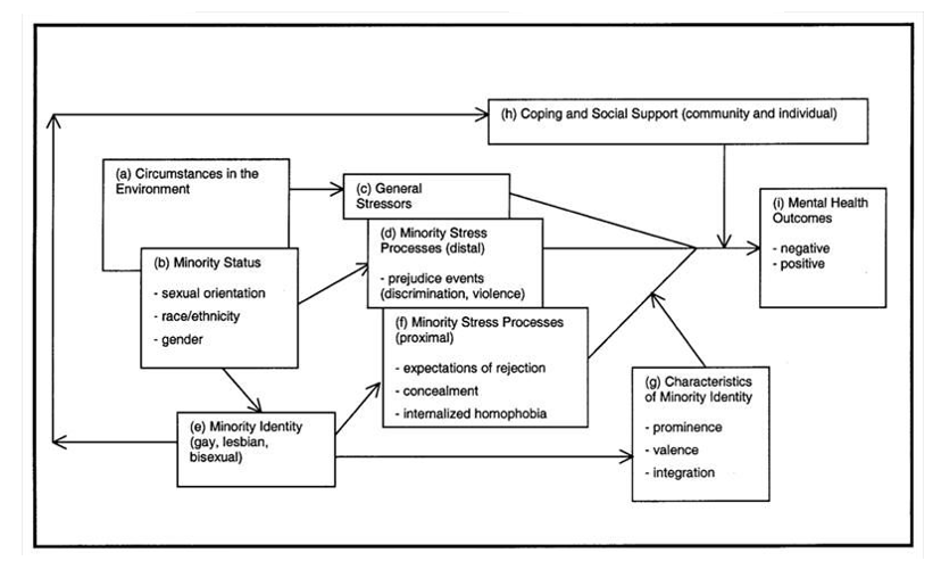
Figure 1. Meyer’s minority stress model (according to Meyer, 2003, pp. 253)
The circumstances in the environment refers to the social context that the person with a minority status lives and develops in. This context affects the LGB person’s positive and negative mental health outcomes by means of distal and proximal minority stress processes. We must not forget the impact of general stressors present for all individuals. Characteristics for minority identity and the individual and community ways of coping and social support represent the mediators in the relationship between distal and proximal stressors on mental health. Social support and social identity are often theorised as buffers which reduce the negative effects of stress on health. Minority identity has multiple effects. It determines whether the individual living in a particular social context would be exposed to the distal and proximal stressors. It also mediates the impact of these stressors on mental health.
The central elements of the model are distal and proximal stressors which can be acute and chronic sources of stress. Objective stressors that are brought in from the outside and do not depend on the individual`s subjective assessment represent the distal stressors (e.g. the experience of discrimination, violence, abuse). The proximal stressors are more subjective in nature and related to the identity of LGB persons themselves. Some of the more relevant proximal stressors are the expectation of rejection by other people, the concealment of one’s identity, and internalised homophobia.
The minority stress model was developed specifically for cisgender individuals with diverse sexualities (i.e., lesbian, gay and bisexual individuals), yet recently it has been empirically applied to the transgender population (Bockting et al., 2013; Scandurra et al., 2017). It has been widely demonstrated that experiencing violence and discrimination in high rates leads transgender individuals to direct negative societal attitudes towards themselves and that, at the same time, resilience is exercised to contrast societal stigma nested within a society which discriminates on the basis of gender identity.


